THE STORY
Behind the Clinical CEO
Fifty dollars. A box of cards. A whole Lot of Nerve.

In 2008, I had fifty dollars
to my name and a child to raise.
THE BEGINNING
I thought I was building a career. I was running myself into the ground.
I was only a few years into the field and I was already done. Burnt out from clinical work. Exhausted in a way I did not yet have the language for. Looking back, I was probably in the middle of a breakdown. I just did not know it at the time.
I did not have a plan. I had no office, no savings, no backup. I had a child to raise and a bill pile that did not care how tired I was. I needed something to change, and I was the only one available to change it.
So I started seeing clients in their living rooms, their kitchens, their cars. I charged what I could afford to charge, which was not enough.
I told myself that if I worked hard enough and cared enough, the business would grow on its own. That is not how businesses grow. Nobody had ever told me that.

THE FIRST MOVE
One day I printed five hundred business cards.
They read: "Pissed off that someone put this on your windshield?
Call The Anger Managers."
I drove to the courthouse parking lot and put one under
every windshield I could reach.
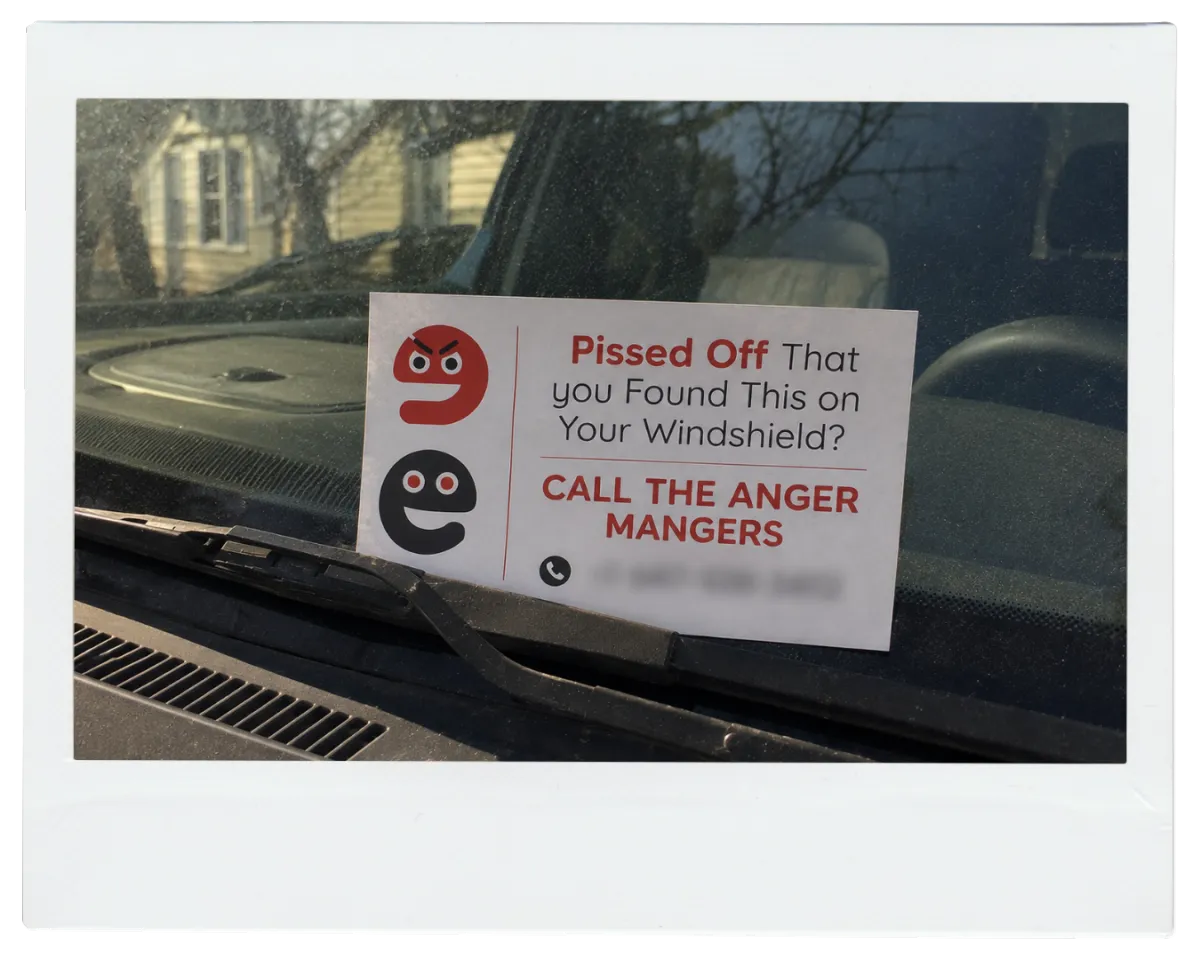
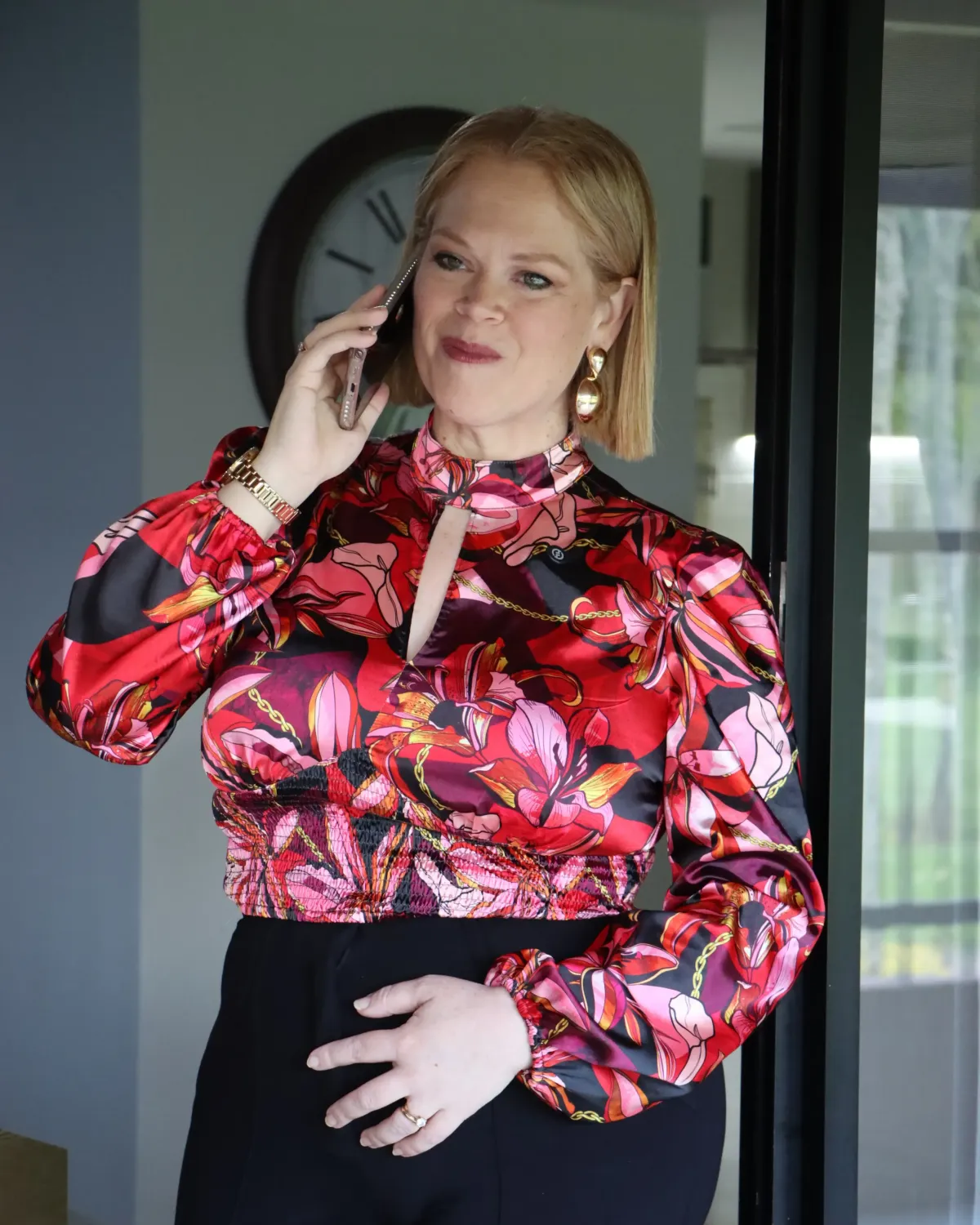
My phone started ringing the next morning.
THE GROWTH
Built What I Was Never Taught.
For the next three years, I built.
I sold cars full time to keep the lights on. I saw clients in their living rooms on my lunch breaks, in the evenings, on weekends. I answered my own phone at eleven at night because I didn’t yet understand that a practice is supposed to protect the person running it.
I slept very little. I didn’t play at all. I was more exhausted than I had been in the hospital job that I hated, and I still wasn’t making enough to leave the car lot.
The practice was growing, but the income wasn’t keeping up. I was proud of every client I took on. I thought I was figuring it out.
I wasn’t.
THE NEAR END
In year four, I could not take it anymore.

I was not burned out. I was past burned out. I had been running two full-time jobs for three years, and the one I had gone to school for was the one that was going to have to go.
Car sales had a clear path to real money. Therapy did not. If I was going to be this exhausted anyway, I was going to be this exhausted for an income I could actually see.
I stopped taking new clients. I started winding down the practice, finishing with the ones I still had. I was not quitting therapy because I hated it. I was quitting because I could not afford to love it anymore.
THE LAWYER
A lawyer called me sometime in February.
I remember the conversation like it was yesterday. I was getting out of my car in a parking lot in the middle of winter when my phone rang. I did not want to lose signal by going into the building, so I stood there, shivering, listening, as he told me what he needed.
"Jessica, my client just said that you are closing down and he could not get into your program. What happened?"
I explained. He said, simply, "Jessica, we need your services. The judicial system needs them. I need them. If you continue, I will send you all my clients and tell all my colleagues about you."
I told him I would think about it. I stood in that parking lot for a long time after he hung up. I was freezing. I was also, for the first time in months, realizing that the problem was never the work. The problem was the way I had been built to do it.
THE DECISION
I decided to stop being the practice
and start running it.
I went home that night and made a list. Not a strategy. Not a business plan. A list of every part of the practice that only worked because I was the one doing it. The list was long. That was the moment I understood what kind of business I had actually built, which was a job that owned me, dressed up to look like something else. I decided that night that I was going to spend the next year turning it into something that could run without me at the center of it. Then I went to sleep, and the next morning I started.

WHAT HAPPENED NEXT
So I started building the practice
I should have built from the beginning.
I hired my first therapist. Then two more.
I hired my first therapist. Then two more. Then I sat down and wrote out how I wanted the practice to run, so the people working for me would not have to guess. That document became the bones of everything that came after.
I built my second clinic on top of those systems. Then a third. Then a fourth. Every time I built one, I learned something I wished I had known years earlier.
The first thing that changed was my calendar. I stopped being the person every client needed and started being the person the business needed.
The second thing I changed was my income. It stopped being tied to how many hours I could physically sit in a chair and became tied to a business that was actually built to grow.
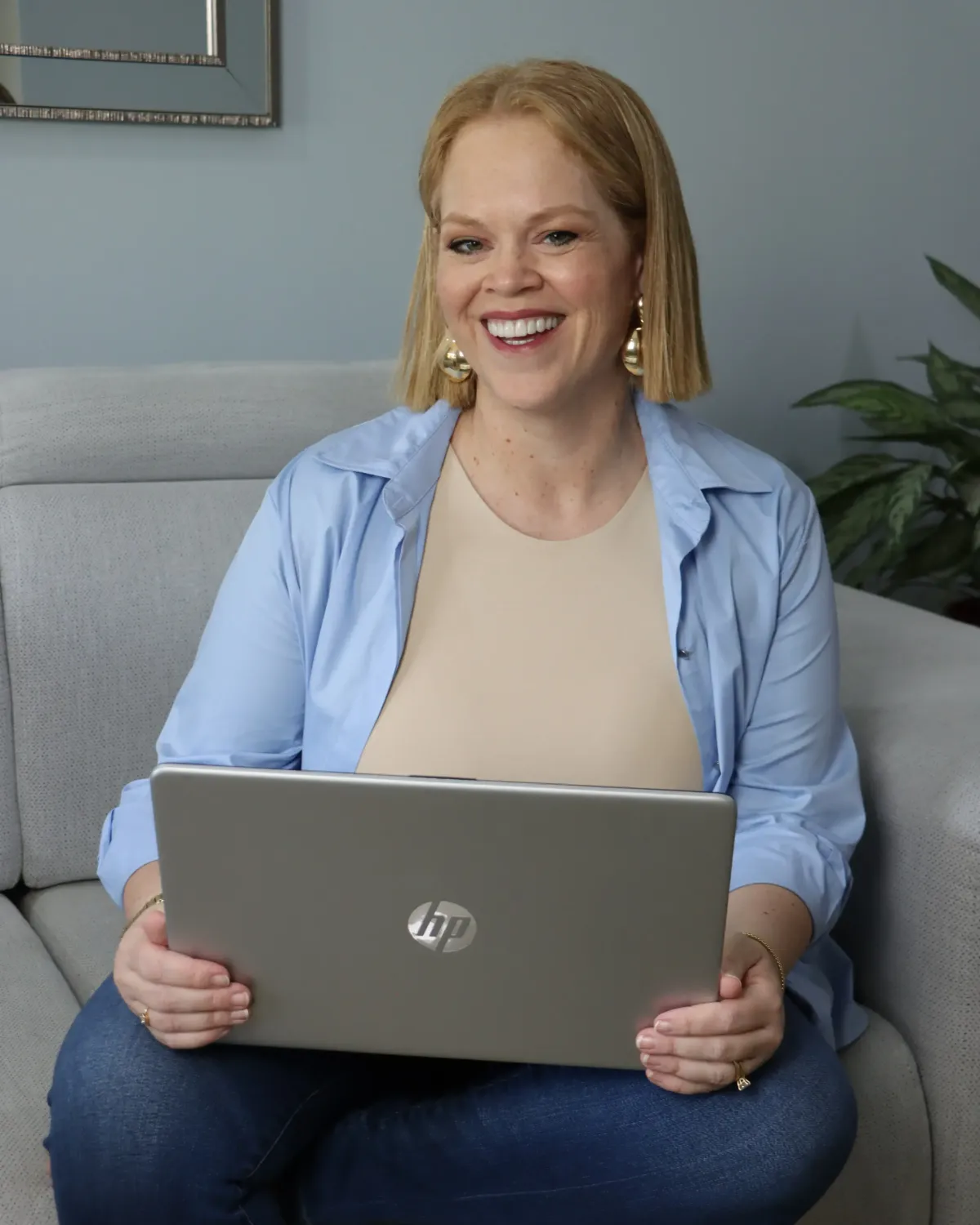
The third thing I changed was where I lived. I moved my life to Colombia. I work from where I want, I travel when I want, and I run three mental health businesses and two others from a laptop and a phone. None of that was possible the year I was standing in that parking lot.
That is the part nobody tells you when you are building a business the right way. The money getting better is only part of it. The bigger shift is that your life stops belonging to the practice. Your evenings are yours again. Your weekends are yours again. Your body stops paying the price for the business. Monday stops being the day you brace for, because Monday is no longer the day you have to be everywhere at once.
I have been coaching clinicians on the business side of the practice for over ten years, first informally with colleagues, then formally with clinicians launching equine-assisted therapy practices. The Clinical CEO Business Mastery Program is the full version of that work, the program I would have paid almost anything for in year four of my journey.
WHY THIS WORK EXISTS
The gap is not intelligence. It is not effort. It is not even clinical skill.
The gap between a clinician who cannot build a business and a clinician who can is structural. It is structure. Someone has to teach you how the business behind the practice works, or you will spend years rediscovering what has already been figured out. That is the entire reason I do this work. The plan I did not have when I was sitting in that parking lot is the plan I now hand to every clinician I teach, so the years I lost are years they get to keep.
If any of this felt familiar,
I have something to teach you.
If you have been sensing that the current model has a ceiling and that you are approaching it, this story was the beginning of the next conversation, not the end of one. There are two ways to keep it going. Pick the one that fits where you are right now.