FROM THERAPIST TO CLINICAL CEO
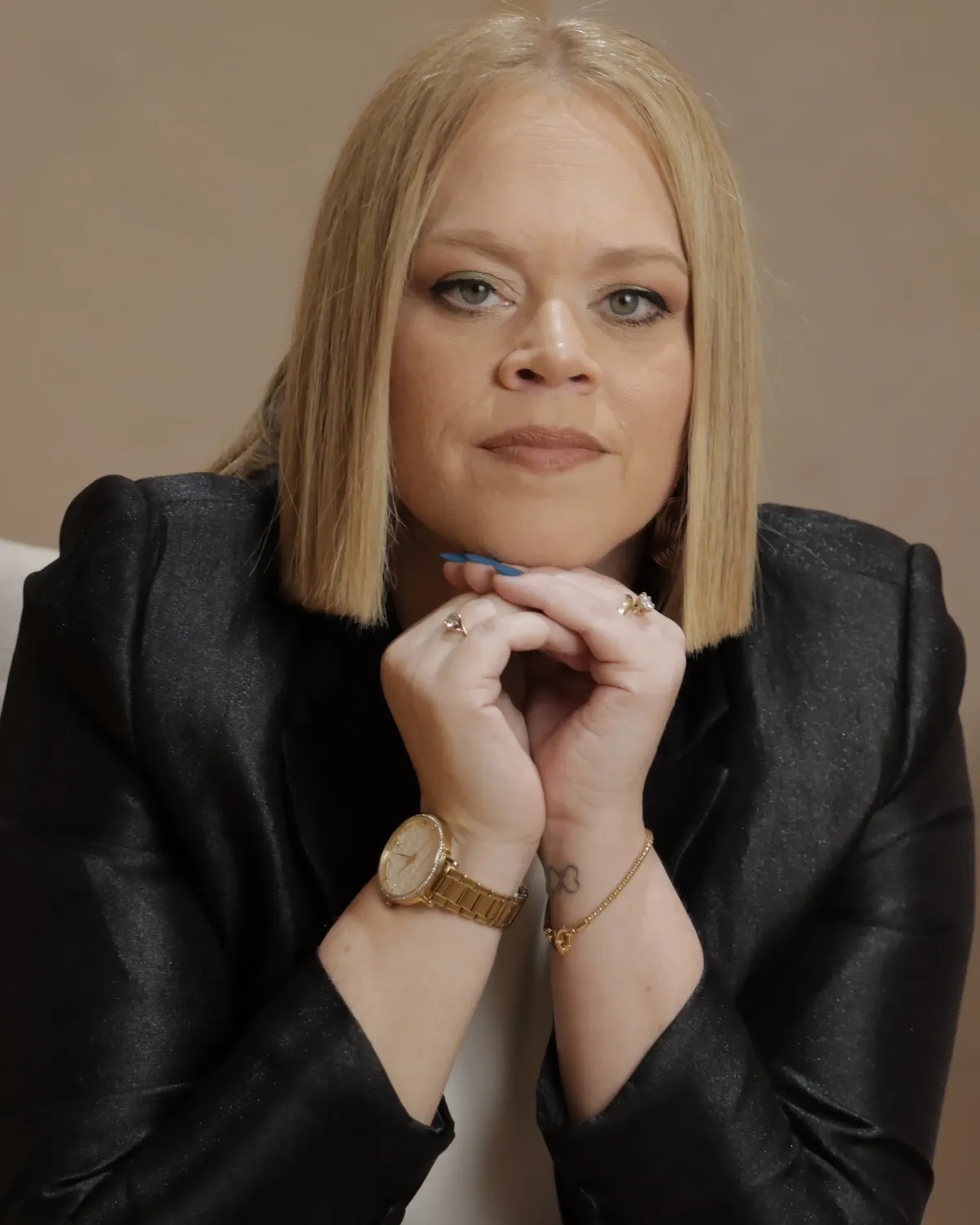
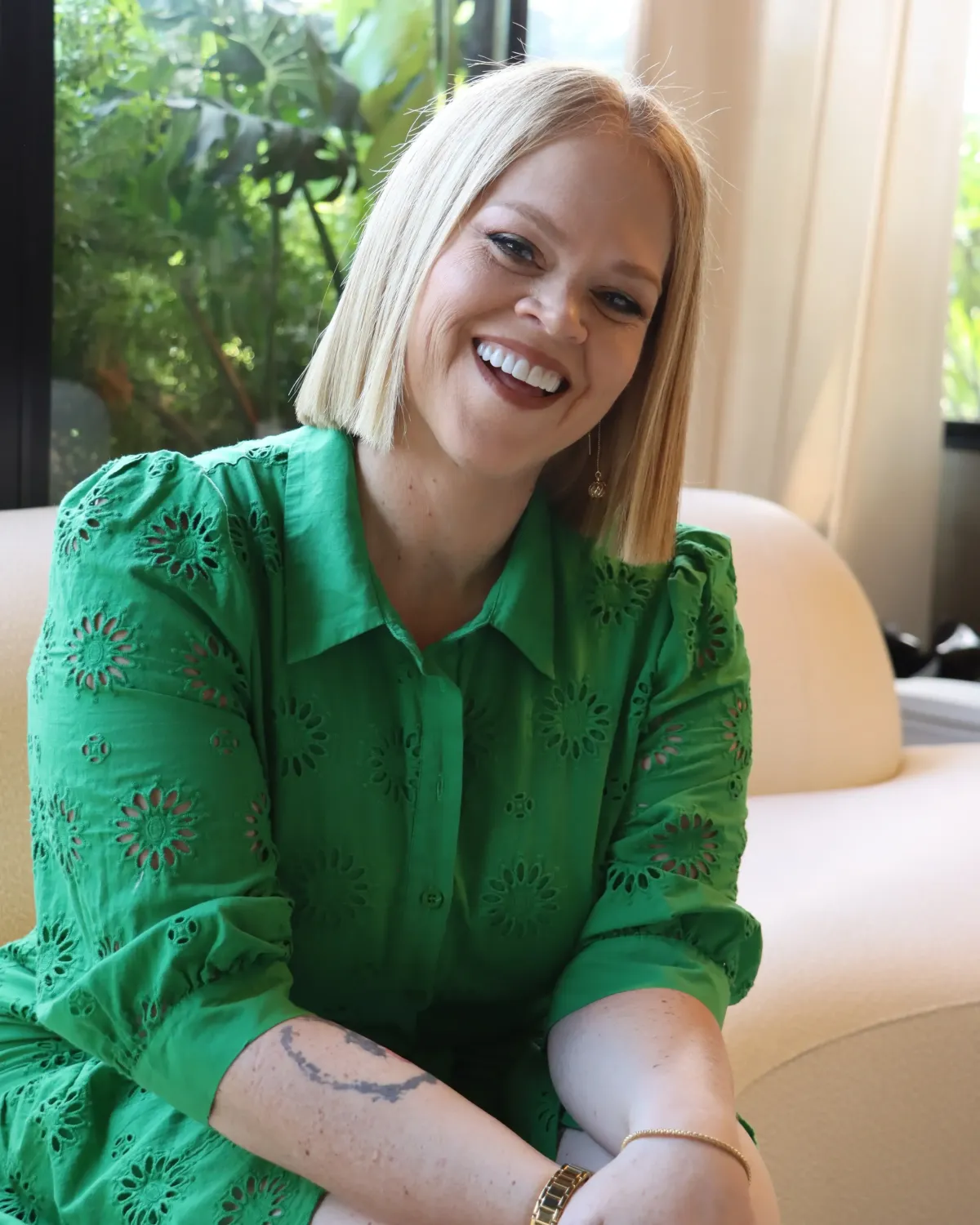
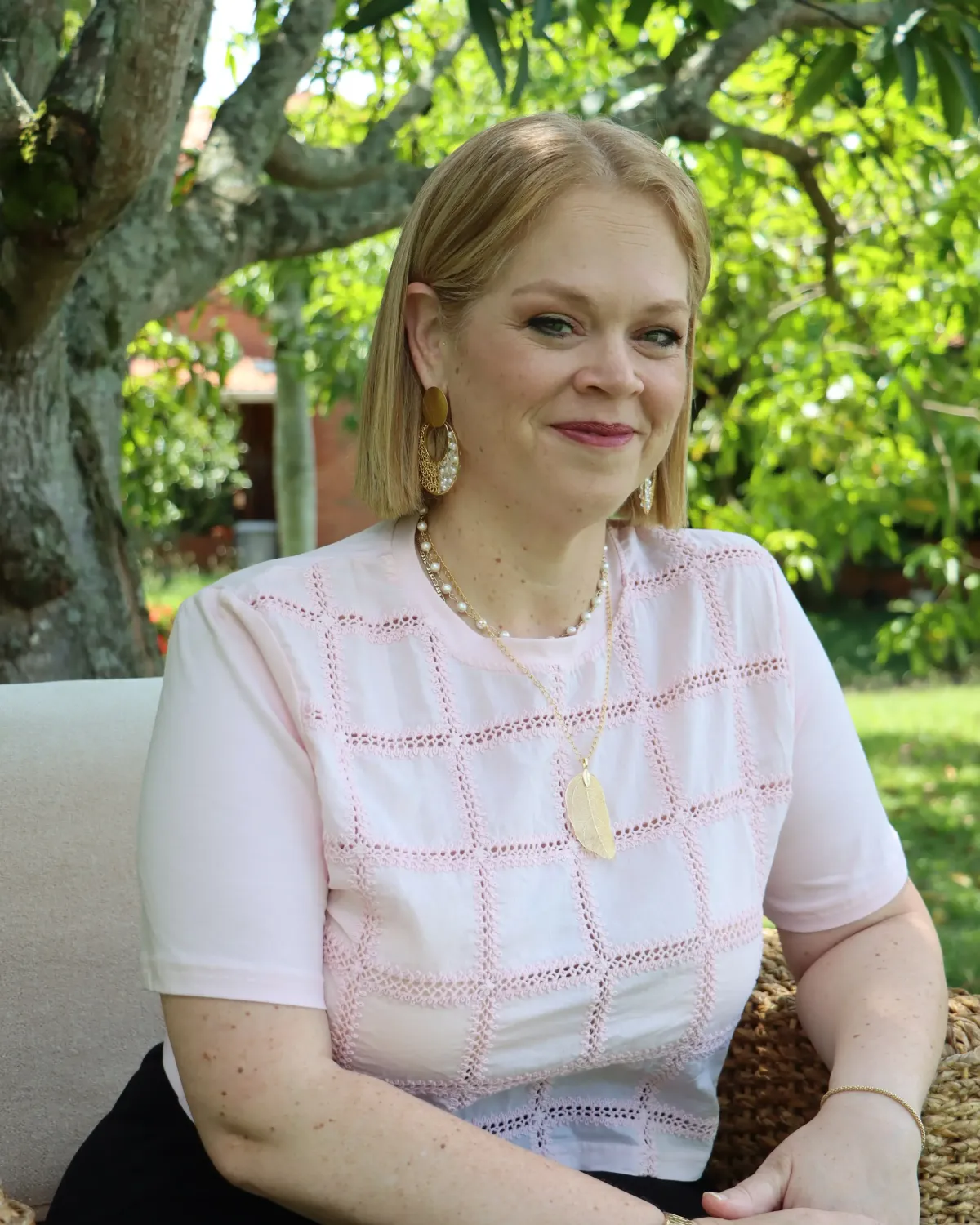
Hi, I'm Jessica
Your Business Coach for Therapist
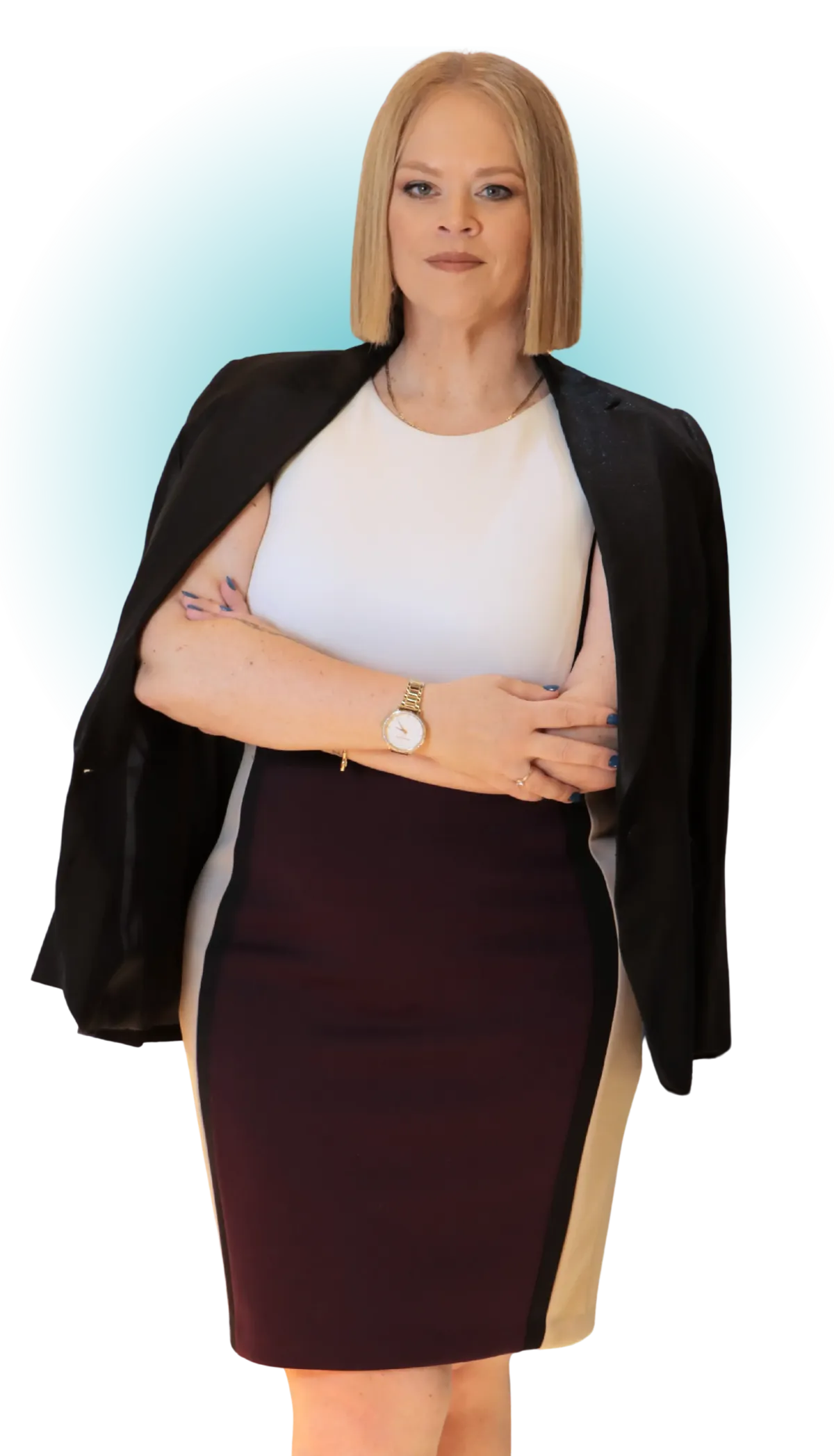
I am a psychotherapist, a PhD candidate, and the Clinical CEO of multiple operating organizations built to deliver complex care through structured, scalable systems.

I have built the kind of mental health businesses most clinicians are told they can't build.
Four of them. All still running.
WHAT I DO
Two disciplines, treated as one practice.
Most people in this space pick a side. They're either clinicians who talk about business or business people who talk about clinical work. I've spent my whole career refusing to choose, because the work falls apart the moment you separate the two.
Clinical.
I'm a psychotherapist and clinical supervisor with over twenty years of practice. I hold an MSW and I'm a PhD candidate in Social Work. I work with trauma, survivors, court-involved populations, and the clinical cases most practitioners aren't trained for. I'm still in the room with clients every week, because the day I stop is the day I lose the right to teach this work to anyone else.
Business.
I'm the founder and operator of multiple seven-figure mental health businesses. I build systems, scale operations, and teach clinicians how to do the same. With me, you stay excellent at your craft and you get good at running the company, both at the same time, because that's the only way a practice grows without eating the person who built it.
THE BUSINESS
What I have built and still run.

Horse Therapy Centre of Canada is a multi-layered clinical practice that brings equine-assisted therapy, ABA services, certification programs, and therapeutic camps and retreats under one roof. It's the proof that a specialized modality can be built into a working business without losing what makes the clinical work matter in the first place.

Court Counseling Institute delivers court-approved counseling programs across Canada, the United States, and Australia. The work happens inside strict regulatory frameworks that demand consistency, documentation, and accountability, and the business runs because the systems underneath it are built to hold that weight every single day.

Access Den is an online therapy clinic built on a licensed, supervised student-intern model. It exists because access to care should not depend on whether one more senior clinician is willing to burn out, and it shows what becomes possible when structure carries the load instead of the practitioner.

HealthSync
HealthSync is the clinic management platform I built because nothing on the market did what my own practices needed. It handles scheduling, service delivery, and team management, and it's the operational backbone that keeps a growing practice from collapsing under its own success.
CREDENTIAL
Education, training, and practice.
I include this not as a wall of letters, but because the work I teach is built on top of all of it.
Every credential here is in active use, every week, in the practices I still run.
EDUCATION
Bachelor of Arts, Psychology
Clinical Traumatologist Certification
Master of Social Work (MSW)
PhD, Advanced Clinical Social Work and Supervision (in progress)
PROFESSIONAL PRACTICE
Psychotherapist
Registered Master Level Social Worker
Clinical Supervisor
Over twenty years in clinical practice
Trained in over 15 psychotherapeutic modalities
Trains Equine Assisted Therapists worldwide

HOW THIS BEGAN
Fifty dollars.A box of cards. A windshield.
Those three things are where everything started. I had the clinical training and not much else, and I began anyway, one client and one decision at a time. Everything I run today grew out of that.
I include this not as a wall of letters, but because the work I teach is built on top of all of it. Every credential here is in active use, every week, in the practices I still run.
The full story is worth your time, and it's right here.
WHAT I TEACH
I teach clinicians three things
I include this not as a wall of letters, but because the work I teach is built on top of all of it. Every credential here is in active use, every week, in the practices I still run.
One.
Clinical CEO Thinking
Most therapists are still operating as the person who delivers the work, which is why the practice can't run without them. This is where that changes
This includes:
• Moving from “I am the business” to “I lead the business”
• Building authority, leadership identity, and long-term vision
• Understanding structure, scalability, leverage, systems, and decision-making
• Shifting away from burnout culture and output dependency
• Creating a business that supports life instead of consuming it
This is the foundation of the Clinical CEO framework.
Two
Scalable Practice & Systems Building
A practice without systems is a job with extra paperwork. This is where you stop being the bottleneck across the entire business.
This includes:
• Systems and SOPs
• Team building and delegation
• Automation and AI integration
• Lead generation and conversion systems
• Marketing funnels, webinars, and content ecosystems
• Operations, client journeys, and retention
• Revenue optimization and scaling beyond a full caseload
The focus is on building infrastructure that lets the business grow without you doing everything by hand.
Three
Ethical High-Impact Business Growth
I teach clinicians how to grow while maintaining ethical, evidence-based, client-centered care.
This includes:
• Ethical marketing for therapists and clinicians
• Building authority and trust online
• Creating programs and offers that genuinely help people
• Balancing business growth with clinical integrity
• Sustainable leadership and long-term impact
• Expanding access to care while maintaining quality
WHO I WORK WITH
Clinicians Ready to Build Beyond the Caseload
I work with licensed clinicians who are already good at what they do. You're full, you're referred, you're respected in your field, and you've hit the wall nobody warned you about: being excellent at the work fills your calendar, and a full calendar can still leave you trapped.
The clinicians I work with are not looking for another marketing tactic or a better intake script. They are ready to build a practice that generates real income, runs on real structure, and does not depend entirely on whether they show up for one more session. If that sounds like you, the rest of this page will feel like it was written for you, because it was.
If you recognize yourself in this, start with the free masterclass.
A WORD ON THE PHD
I am researching the efficacy of equine-assisted therapy in youth with anxiety.
I already earn well, so this was never about the money. I'm doing it because our field deserves more research, because I've always loved the work of it, and because I want to give something back to a profession that gave me a life I couldn't have imagined when I started.
Every clinician I train is part of this. The businesses fund the research, the research informs the businesses, and the clinicians I teach carry both forward. That's the loop, and it's the reason any of this matters past the money.
Weekly Clinical CEO Insights
A short weekly email on building a practice that earns without leaning on every hour you work.
One practical idea a week on structure, offers, and the income model, written for therapists who are done being the single point of failure in their own practice. Short enough to read between sessions.

If you're ready to work with me
You've read the whole page, which means something on it landed. Where you go next depends on where you are right now. If you're just starting to look at this honestly, join the free masterclass and see the model first. If you're further along and ready to talk about working together, book a strategy call and we'll map it out.